Digital Marketing Strategies That You Can Use for Your Business Success.
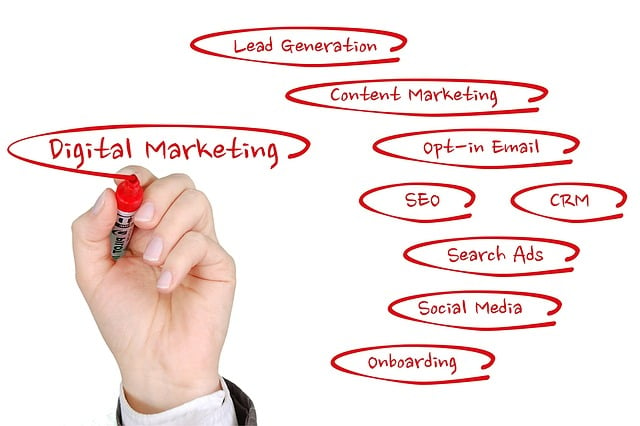
In today’s digital age, where technology and the internet have become deeply ingrained in our daily lives, businesses must harness the power of digital marketing to stay competitive and thrive. This article aims to provide a comprehensive overview of digital marketing, encompassing its primary subtopics: search engine optimization (SEO), social media marketing, email marketing, content marketing, and pay-per-click (PPC) advertising. By exploring the latest trends and best practices in each subtopic, we aim to equip readers with practical tips, case studies, and real-life examples to implement effective digital marketing strategies.
1. Search Engine Optimization (SEO)
Search Engine Optimization is the art of optimizing a website to improve its visibility on search engine results pages (SERPs). Implementing SEO techniques can enhance organic (unpaid) traffic, boost brand visibility, and generate qualified leads. Here are some SEO best practices:
a. Keyword Research: Identify relevant keywords and phrases used by your target audience. Tools like Google Keyword Planner and SEMrush can help in finding high-volume and low-competition keywords.
b. On-page Optimization: Optimize website elements such as titles, meta descriptions, headers, and URLs for relevant keywords. Create high-quality content that answers users’ queries, adding value to their search experience.
c. Backlink Building: Earn high-quality backlinks from reputable websites to increase your website’s authority. Guest blogging, influencer collaborations, and creating valuable content can help build backlinks.
d. Mobile Optimization: Optimize your website for mobile devices as the majority of users access the internet through their smartphones.
2. Social Media Marketing
Social media platforms have become essential for promoting businesses, engaging with target audiences, and building brand loyalty. Here are some social media marketing best practices:
a. Identify the Right Platforms: Choose social media platforms based on your target audience and industry. Focus on platforms like Facebook, Instagram, Twitter, LinkedIn, or Pinterest, depending on the demographics of your audience.
b. Tailored Content Strategy: Develop a content strategy that aligns with each platform’s unique characteristics. Engage audiences through visual content, videos, live streams, contests, and user-generated content.
c. Influencer Marketing: Collaborate with influencers who have significant followers and engage with your target audience to amplify brand reach and credibility.
d. Community Engagement: Respond to comments, messages, and reviews promptly. Cultivate genuine conversations with your audience to build trust and loyalty.
3. Email Marketing
Email marketing remains a cost-effective and highly targeted approach to reach and engage with customers. Here are some key email marketing best practices:
a. Segmentation and Personalization: Segment your email list based on customer demographics, preferences, and behavior. Personalize emails with dynamic content tailored to each recipient’s interests.
b. Effective Subject Lines: Craft intriguing subject lines that entice recipients to open, leading to higher open rates and click-through rates.
c. Automation and Drip Campaigns: Set up automated email campaigns triggered by specific customer actions. Use drip campaigns to nurture leads and guide them through the sales funnel.
d. Monitoring and Testing: Analyze open rates, click-through rates, and conversion rates to gauge the success of your email campaigns. Continually test subject lines, content, and design for optimal results.
4. Content Marketing
Content marketing focuses on creating and distributing valuable and relevant content to attract and retain a target audience. Here are some content marketing best practices:
a. Develop a Content Strategy: Define your target audience, their pain points, and create a content plan that aligns with their needs. Invest in different formats, such as blog posts, videos, infographics, podcasts, and webinars.
b. SEO-driven Content: Optimize content for SEO by incorporating relevant keywords, meta tags, and internal linking. This increases the chances of higher rankings in search engine results.
c. Engaging Visuals: Use appealing visuals, such as high-quality images, videos, and graphics, to make your content more engaging and shareable.
d. Guest Blogging: Collaborate with industry influencers and thought leaders to contribute guest blog posts on their platforms. This helps expand your reach and establish authority in your niche.
5. Pay-Per-Click (PPC) Advertising
PPC advertising involves paying for clicks on ads displayed on search engine results or social media platforms. Here are some PPC advertising best practices:
a. Effective Keyword Selection: Conduct thorough keyword research to identify high-intent keywords relevant to your business. Use tools like Google Ads Keyword Planner or SEMrush for keyword research.
b. Compelling Ad Copy: Create concise and compelling ad copy that immediately grabs the attention of your target audience and highlights the value proposition of your product or service.
c. Landing Page Optimization: Optimize landing pages to match the ad’s intent and improve conversion rates. Ensure a clear and concise call-to-action (CTA) and an intuitive user experience.
d. Continuous Monitoring and Optimization: Regularly monitor campaign performance and make data-driven decisions to optimize ad spend, targeting, and ad copy.
Conclusion
Digital marketing has revolutionized the way businesses connect with their audience and promote their products or services. By effectively utilizing search engine optimization (SEO), social media marketing, email marketing, content marketing, and pay-per-click (PPC) advertising, businesses can enhance their online presence, drive traffic to their websites, and ultimately achieve business growth and success. By keeping up with the latest trends and implementing best practices, businesses can effectively navigate the dynamic digital marketing landscape and achieve tangible results.